
Loading...
Serving Cutler Bay, FL and surrounding areas. (645) 300-7794
Cutler Bay
Epoxy Flooring & Concrete Polishing
Epoxy Flooring & Concrete Polishing
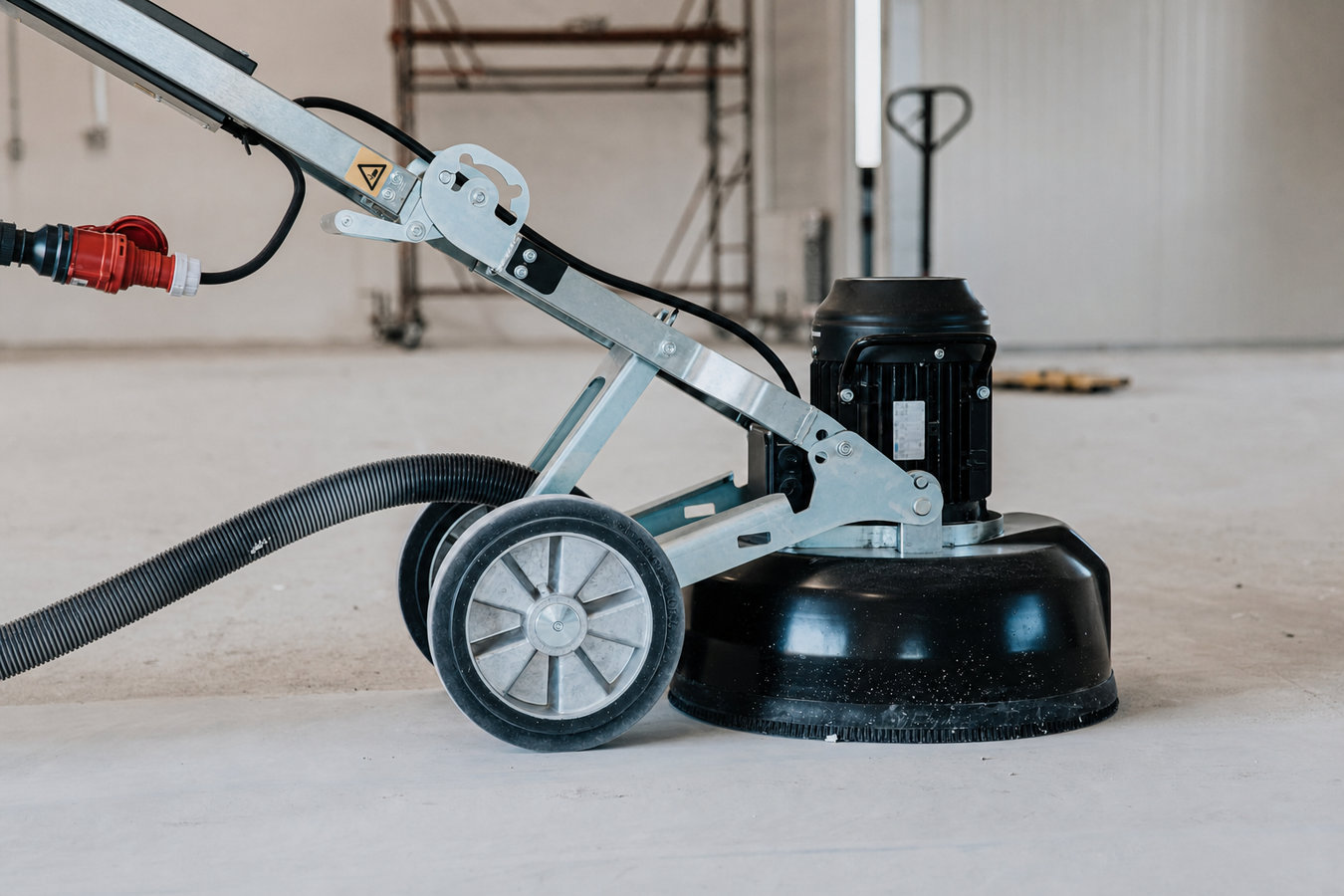
Old paint peeling, white chalky patches, or a rough slab that nothing will stick to - proper surface prep is the fix your floor actually needs.
Old paint peeling, white chalky patches, or a rough slab that nothing will stick to - proper surface prep is the fix your floor actually needs.
Concrete grinding and surface preparation in Cutler Bay removes old coatings, levels uneven sections, and opens the concrete pores so new materials bond properly - most residential garage and patio jobs take a half day to a full day, depending on the condition of the slab.
If a coating keeps peeling, the surface was never opened up correctly in the first place. Concrete is dense and smooth off the form, and any paint, epoxy, or sealer applied to a slab that has not been ground will eventually lift - sometimes within months. Grinding removes whatever is on top, exposes fresh concrete beneath, and creates a texture that new materials can grip. In Cutler Bay, where humidity and a high water table put extra pressure on every coating, skipping this step is the most common reason floors have to be redone.
After grinding, many homeowners move directly to concrete sealing to lock out moisture before any decorative finish goes down. Getting the prep right is what separates a floor that lasts years from one that has to be done again in a season.
Those white deposits are a sign that moisture is moving up through your concrete from below - a very common issue in Cutler Bay given the area's high water table and flat terrain. They may look harmless, but they mean your concrete is actively dealing with moisture, and any coating or paint applied over them will eventually fail. The floor needs to be properly ground and treated before you put anything new on top.
If your garage floor paint or epoxy is lifting in sheets or bubbling up in spots, the coating has lost its bond with the concrete underneath. This happens when the surface was not properly prepared before the coating was applied, or when moisture has worked its way under it over time. Grinding removes the failed coating and gives the floor a fresh, clean surface that new materials can actually stick to.
Concrete slabs in South Florida can shift slightly over time as the ground beneath them settles or as moisture levels change. If you notice a lip or bump where two sections of concrete meet - or where a crack has caused one side to rise slightly - that is a tripping hazard and a sign the surface needs to be leveled. Grinding can smooth those transitions so the floor is safe and flat again.
If you are putting tile, vinyl plank, or any other flooring directly over concrete, the surface needs to be smooth and clean for the new material to sit flat and bond properly. Rough spots, old adhesive from previous flooring, or deep stains can all cause problems with the new installation. A grinding and prep job done before your flooring goes in is far less expensive than fixing a failed floor installation afterward.
We use walk-behind diamond grinders with industrial dust collection equipment attached directly to the machine. This near-dustless approach keeps fine concrete particles out of your living space and out of your air system - something that matters in Cutler Bay homes with central AC running year-round. Before grinding begins, we inspect the slab for old coatings, cracks, moisture signs, and uneven sections. That assessment determines how aggressive the grind needs to be and what the floor will need afterward.
In South Florida's humid climate, we also run a moisture test after grinding and before any coating goes down. This step is non-negotiable for us - a slab that looks dry can still be pushing vapor upward at a rate that will break the bond of an epoxy or sealer applied over it. From there, the next step is typically concrete sealing or a decorative coating, and in cases where a previous floor finish has fully bonded to the slab, concrete floor stripping and removal may come first. The OSHA silica dust standards that govern this work exist to protect both workers and homeowners, and we follow them on every job.
Suits most residential floors - removes old coatings, paint, and adhesive while opening the concrete pores for proper coating adhesion.
For areas where walk-behind machines cannot reach - doorways, corners, and tight spaces along walls are finished by hand with smaller tools.
Best for floors with surface-level cracks - after grinding, stable cracks are filled with concrete repair product before any new finish is applied.
Recommended before any coating project in South Florida - identifies moisture coming up through the slab that would cause premature coating failure.
Cutler Bay sits on low, flat land in Miami-Dade County with a water table that in many areas is just a few feet below your slab. That means concrete here holds more moisture than floors in drier parts of the country - and that moisture is not something you can see on the surface on a dry day. Homes built in the 1970s through 1990s across neighborhoods like those near Old Cutler Road also tend to have slabs with older coatings painted over multiple times, settled sections from decades of ground movement, and efflorescence that keeps coming back no matter how many times it is cleaned. Grinding is the only way to actually get ahead of those problems.
The timing of your project matters here too. South Florida's rainy season runs from June through November, and the heat and humidity of those months slow drying and make coating adhesion less reliable. Homeowners in Palmetto Bay and Kendall who schedule grinding projects in the dry season - November through April - typically get longer-lasting results because the concrete can dry fully and coatings cure under better conditions.
We ask a few basic questions about your floor - its size, what is on it now, and what you plan to do with it afterward. Most projects are quoted after an in-person visit because the condition of the slab changes the scope. Expect a written estimate, not just a number by phone.
We walk the floor, check for cracks, old coatings, and moisture signs. In South Florida, we also look for efflorescence - those white patches that signal active moisture movement. This visit usually takes 20 to 45 minutes and is a good time to ask questions.
You clear the space completely before we arrive - vehicles, furniture, everything off the floor. We seal doorways with plastic sheeting, then move systematically across the floor with diamond grinders and dust collection vacuums. Depending on size and condition, this takes a half day to a full day.
Once grinding is complete, we clean the floor and walk it with you before we pack up. The floor then needs 24 to 72 hours to dry before any coating or sealer goes on - in Cutler Bay's humidity, we will give you a specific timeline based on that day's conditions.
We reply within 1 business day. No sales pitch - just a straight answer about what your floor needs and what it will cost.
(645) 300-7794We use industrial vacuums attached directly to the grinding machines, capturing dust at the source. In Cutler Bay homes with open floor plans and central AC, fine concrete dust can work its way through the entire house if the work area is not properly sealed. We take that seriously - your home stays clean and your air system stays protected.
We do not skip the moisture test in South Florida. A slab that looks and feels dry can still be pushing vapor upward at a rate that will cause any coating applied over it to fail within months. We test before we coat, and we tell you what the results mean for your project - even if it means adjusting the plan.
We have worked on slabs across Cutler Bay, Miami-Dade, and the surrounding communities long enough to know what problems show up here and what actually fixes them. Older homes near Old Cutler Road and the neighborhoods built in the 1980s and 1990s come with their own set of challenges - settled sections, decades of layered coatings, and persistent efflorescence - and we know how to handle all of it.
We assess your floor thoroughly before we start - including checking for old coatings, cracks, and moisture - so the price we quote reflects the actual work involved. The American Concrete Institute sets professional standards for this type of work, and we follow those standards. You will know what you are paying before a single machine touches your floor.
Surface prep is not a glamorous service, but it is the one that determines whether everything else holds. We take it seriously because we know that a floor done right the first time saves you from doing it again in two years. The American Concrete Institute maintains the professional standards that guide how this work should be done, and we work to those standards on every project.
Protective sealers applied after grinding to lock out moisture and UV damage on driveways, patios, and garage floors.
Learn MoreComplete removal of old coatings, adhesives, and failed finishes before a proper grinding and re-coating job begins.
Learn MoreOur schedule fills quickly in the dry season - call now to lock in your project date before the rush.