Loading...
Serving Cutler Bay, FL and surrounding areas. (645) 300-7794
Cutler Bay
Epoxy Flooring & Concrete Polishing
Epoxy Flooring & Concrete Polishing
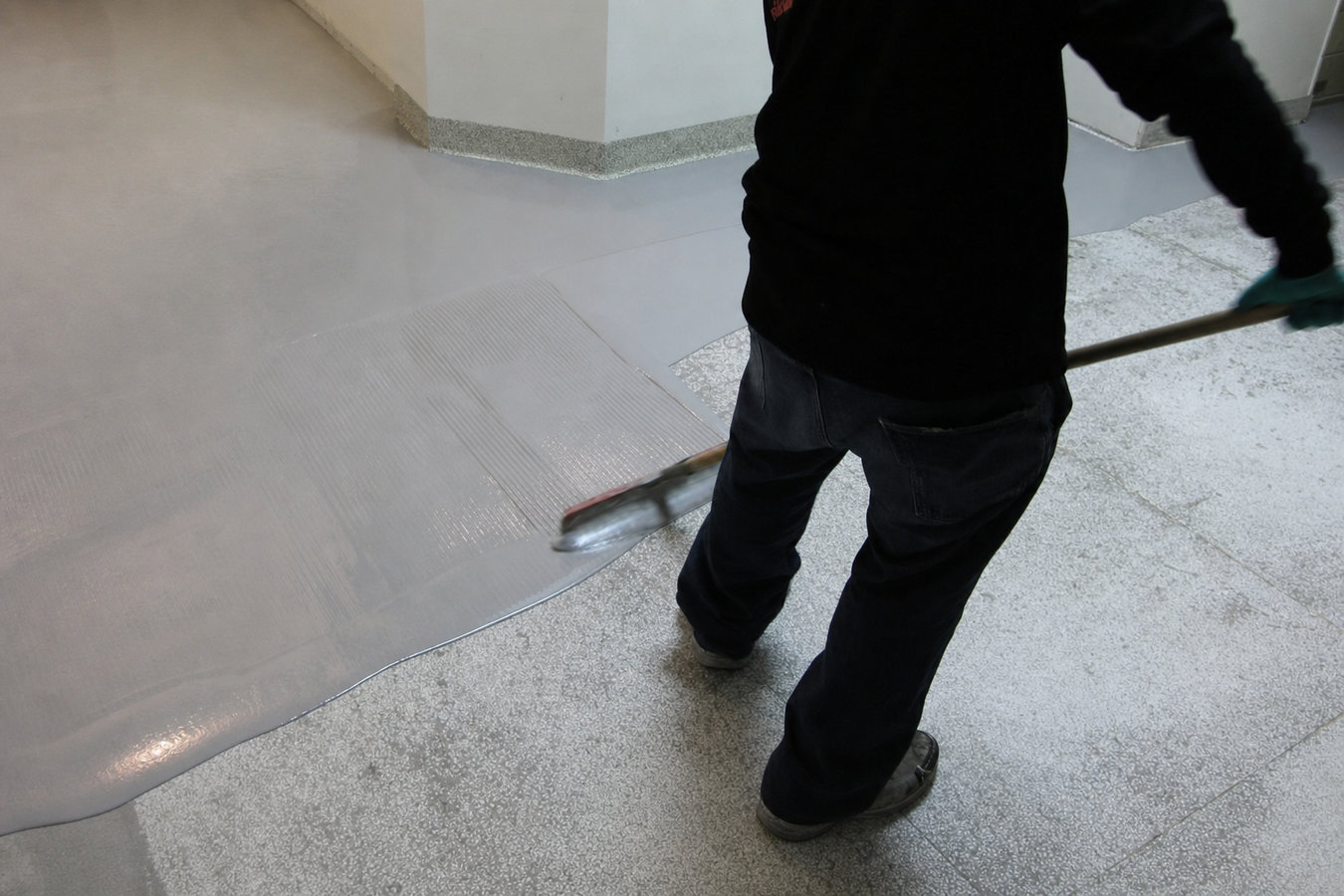
Uneven floors, dips, and surface damage can be corrected without replacing the slab - self-leveling concrete flows into place and cures into a solid, flat base.
Uneven floors, dips, and surface damage can be corrected without replacing the slab - self-leveling concrete flows into place and cures into a solid, flat base.
Self-leveling concrete in Cutler Bay is a liquid-consistency material that flows across an uneven floor, settles flat under its own weight, and hardens into a solid surface - most single-room projects take one day to pour, with the floor walkable within 24 hours and ready for new flooring within 48 to 72 hours.
Most homes in Cutler Bay were built on concrete slab foundations. Over time, those slabs develop low spots from soil settling, hairline cracks from thermal expansion, and surface deterioration from old adhesive or cleaning chemicals. Self-leveling concrete fills those problem areas and gives you a flat, clean base - without a jackhammer, without hauling debris, and without the disruption of a full slab replacement. It is the standard solution when a floor needs to be leveled before tile, vinyl, or hardwood goes down.
For outdoor surfaces like pool decks and screened patios, a decorative overlay applied over the existing concrete is a different but related process. If your outdoor surface is primarily worn and stained rather than uneven, concrete resurfacing and overlays may be the better starting point for that application.
If you can feel a dip when you walk across a room in bare feet, or if you set something round on the floor and it rolls toward one corner, your slab has settled unevenly. This is common in Cutler Bay's older slab-on-grade homes where decades of soil movement and heat cycling have caused parts of the slab to shift. Self-leveling concrete fills those low spots and gives you a stable, flat surface without tearing the old slab out.
When tile cracks diagonally at the corners, or when grout lines keep cracking no matter how many times you repair them, the problem is usually the floor underneath - not the tile itself. In South Florida's heat, concrete slabs expand and contract with daily temperature changes, and an uneven slab transfers that stress directly to the tile above. Leveling the slab before re-tiling is the fix that actually holds.
If vinyl flooring is bubbling up from the floor or feels spongy underfoot, moisture is almost certainly coming up through the slab from below. This is extremely common in Cutler Bay given the area's shallow water table - it will keep happening until the moisture issue is addressed and the floor is properly sealed and leveled. Ignoring it leads to mold growth under the flooring over time.
Most flooring products require the subfloor to be flat within a quarter inch over a ten-foot span. If your installer has flagged the floor as too uneven, or if you can see obvious high and low spots looking across the room at a low angle, self-leveling concrete is the standard solution before new flooring goes down. Skipping this step and installing anyway is how you end up with cracked tile and separated planks within a year.
Every project starts with a moisture test - full stop. In Cutler Bay, the water table in this part of Miami-Dade County sits close to the surface, and moisture pushing upward through the slab is the most common reason overlays fail prematurely. We test before we do anything else. If moisture is present, a vapor-blocking primer goes down first. Then the existing surface is ground or shot-blasted to remove any paint, adhesive, grease, or loose material - and any cracks or damaged areas are filled and repaired. The American Concrete Institute sets the preparation standards we follow to ensure proper bonding and long-term performance.
For interior floors going under new flooring, a functional self-leveling pour is typically the right approach - flat, solid, and ready for whatever finish comes next. For outdoor spaces or areas where the goal is both leveling and a finished look, a decorative overlay can accomplish both in one step. Pool decks and screened patios that need specialized finishes are best addressed with pool deck coatings and resurfacing designed specifically for that environment. For outdoor surfaces that need a fresh look without leveling, concrete resurfacing and overlays handle that application separately.
Best for slab-on-grade homes with low spots, uneven areas, or old adhesive damage - creates a flat base before new tile, vinyl, or hardwood is installed.
Suited to homeowners who want a finished concrete look for a living room, screened lanai, or open-plan space without installing additional flooring on top.
For outdoor surfaces that need both leveling and a sealed, finished look - color, texture, and UV-resistant sealer included.
Ideal when an installer has flagged the floor as too uneven for new flooring - we level the slab so your new floor goes down flat and stays flat.
The majority of homes in Cutler Bay were built between the 1970s and early 2000s on concrete slab foundations - meaning there is no crawl space or basement, just a concrete floor directly on the ground. These slabs are now old enough to have developed common problems: settled low spots, hairline cracks from decades of thermal expansion, and surface deterioration from cleaning chemicals or old tile adhesive. Self-leveling concrete is one of the most practical solutions for all of these because it corrects unevenness without requiring demolition. Miami-Dade County's shallow water table also makes moisture testing a non-negotiable step before any overlay work - a fact that contractors from out of the area often do not account for adequately.
Homeowners in communities closer to the water, like those near Palmetto Bay and Pinecrest, often deal with slab moisture issues more acutely because the water table is even closer to the surface in those areas. Proper moisture mitigation before any overlay work is the foundation of a job that holds up in this environment.
We respond within one business day. We will ask a few basic questions - the size of the area, what is currently on the floor, and what you plan to put down afterward - then schedule a time to see the floor in person before giving you a price.
During the visit we walk the floor, check for low spots and cracks, and test for moisture coming up through the slab. You get a written estimate that breaks down preparation, materials, and labor so you know exactly what you are paying for and why.
The crew grinds the existing floor, fills cracks, applies a moisture barrier if needed, and then a bonding primer. The self-leveling material is then mixed and poured - it flows and settles on its own, and the crew guides it into corners and edges with long-handled tools.
The floor needs to cure undisturbed - 24 hours before walking on it, 48 to 72 hours before placing furniture or laying new flooring on top. We walk the floor with you at completion, confirm the surface is flat and ready, and tell you exactly what to expect for the curing window.
We respond within one business day. Moisture testing and written quote included at no charge.
(645) 300-7794In Miami-Dade County, moisture pushing up through a slab is the number one reason overlays fail within the first year. We test every slab before a drop of material goes down - not as an optional step, but as the first thing we do. If mitigation is needed, we address it before anything else. The documents why the shallow Biscayne Aquifer makes this non-negotiable in our area. South Florida Water Management District documents why the shallow Biscayne Aquifer makes this non-negotiable in our area.
Self-leveling materials cure through a chemical reaction that is sensitive to heat and humidity. We use products formulated specifically for hot and humid conditions - not general-purpose materials that perform fine in a cooler state but set too fast or bubble in South Florida summers. That choice protects your investment from the start.
Every project includes mechanical cleaning of the existing surface to remove adhesive, paint, and loose material - then crack repair and bonding primer before any leveling material goes down. Cutting corners on this step is the fastest way to produce a floor that fails. We do not skip it, and we explain what we are doing and why at every stage.
We work regularly in Cutler Bay, Palmetto Bay, Pinecrest, Kendall, and across southern Miami-Dade. We understand local slab conditions, HOA approval processes for exterior work, and the scheduling realities of South Florida's rainy season. That local knowledge reduces surprises and gets your project done correctly the first time.
Every project we do in Cutler Bay is backed by a written estimate and a process that accounts for local conditions - particularly moisture. When the floor is done, it is flat, bonded, and ready for whatever comes next.
Specialized finishes for pool decks that resist pool chemicals, stay slip-resistant, and hold up to South Florida's year-round sun.
Learn MoreOverlay systems for driveways, patios, and outdoor surfaces that are worn or stained but structurally sound.
Learn MoreScheduling fills up before South Florida's rainy season - get your written estimate now and secure your project date.