Loading...
Serving Cutler Bay, FL and surrounding areas. (645) 300-7794
Cutler Bay
Epoxy Flooring & Concrete Polishing
Epoxy Flooring & Concrete Polishing
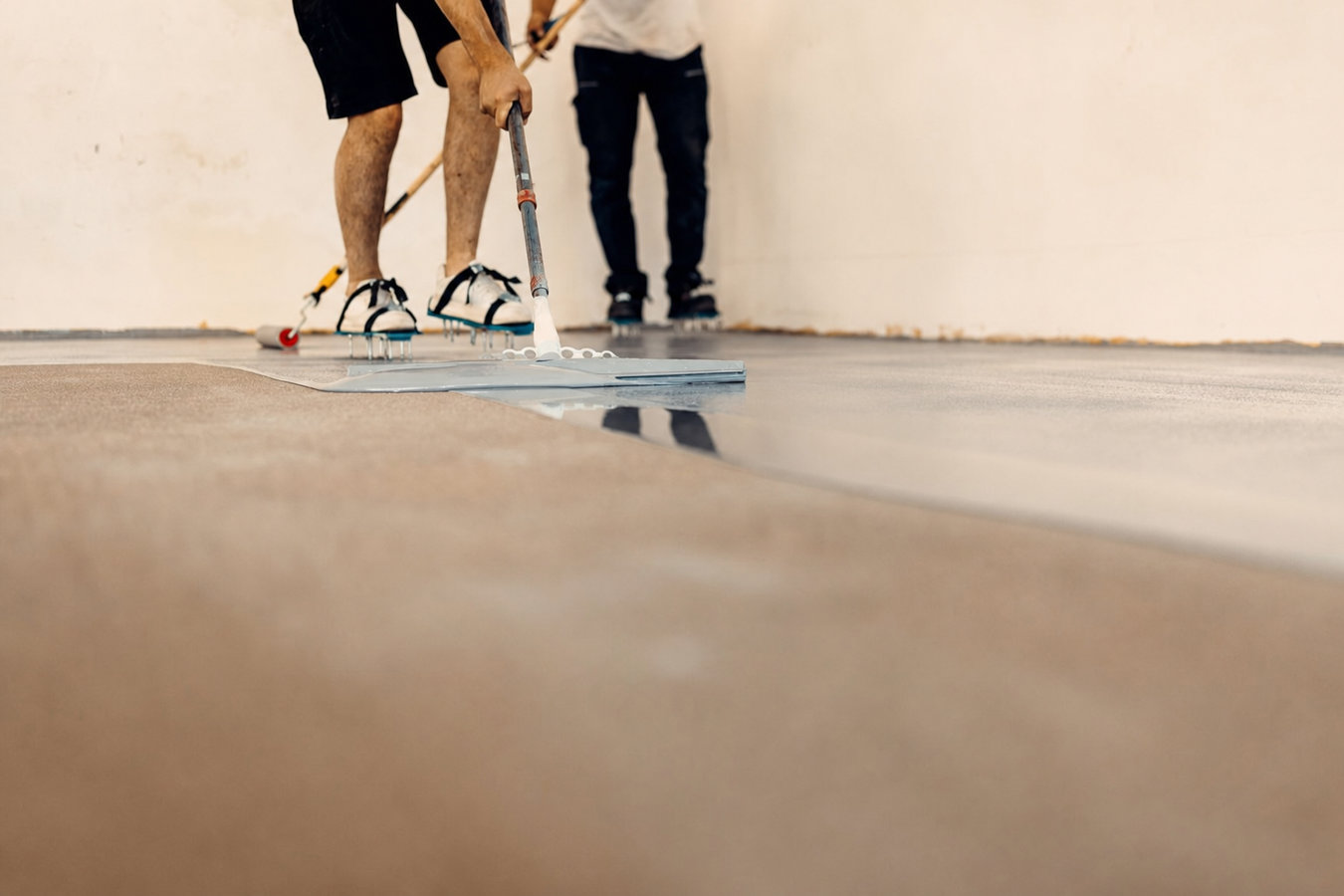
South Florida's summer storms and intense sun break down unprotected concrete fast - sealing your driveway or patio is the most cost-effective way to slow that damage.
South Florida's summer storms and intense sun break down unprotected concrete fast - sealing your driveway or patio is the most cost-effective way to slow that damage.
Concrete sealing in Cutler Bay puts a thin protective layer over your driveway, patio, or garage floor that keeps water, oil, and stains from soaking in - most standard residential jobs are completed in a single day, with the surface ready for light foot traffic within 24 hours.
Unsealed concrete is porous. Every rain event, oil drip, and hour of direct sun works its way into the surface, and over time that adds up to surface flaking, cracking, and stubborn staining. In Cutler Bay, where summer downpours are heavy and the sun is intense enough to fade and weaken the surface year-round, that process happens faster than most homeowners expect. Sealing does not fix damaged concrete - but it is the most effective way to stop damage from accumulating in the first place.
For surfaces that need more than just protection - older concrete with peeling material, persistent cracks, or a rough profile - proper concrete grinding and surface preparation should come first. Getting the surface right before sealing is what makes the sealer actually last.
Pour a small cup of water on your driveway or patio and watch what happens. If the water spreads out and soaks into the surface within a minute or two, the sealer has worn away and the concrete is absorbing moisture again. In Cutler Bay, where heavy rain falls regularly from June through October, unprotected concrete absorbs a significant amount of water every storm season - and that adds up to real damage over time.
If your concrete has gone from a solid gray to a lighter, washed-out color, or if you see a fine white powder on the surface after it dries, the top layer is breaking down. South Florida's intense UV exposure accelerates this process, and what looks like a cosmetic issue is actually a sign the concrete is becoming more porous and vulnerable. Sealing at this stage stops the deterioration and restores a cleaner, more uniform appearance.
Oil drips from a car, rust from a metal planter, or mildew and algae growth leaving dark patches are all signs that your concrete is absorbing what lands on it. In Cutler Bay's humid climate, mildew and algae staining on outdoor concrete is especially common - and once the surface is porous enough to hold those stains, regular hosing will not remove them. A contractor can clean and seal the surface to stop new stains from setting in.
Thin hairline cracks spreading across the surface, or small chips and flakes lifting away from the top layer, are signs that water has been getting in and expanding the concrete from within. This is an early warning - sealing now can slow the progression, but if those cracks are left untreated they will widen and eventually require more expensive repair work. Catching this stage early is almost always cheaper than waiting.
Every sealing project starts with a thorough cleaning. We pressure wash the concrete, treat any oil stains or mildew patches with the appropriate cleaner, and make sure the surface is completely dry before a drop of sealer goes down. In South Florida's humidity, this drying step takes longer than it would in a drier climate - and a contractor who rushes it is setting the job up to fail. We also check moisture levels in the slab before sealing, because concrete that is still pushing vapor upward from below can cause even a properly applied sealer to bubble or peel.
Sealer selection depends on the surface and how it is used. For pool decks and wet areas, we use slip-resistant formulas. For driveways and patios that need stain resistance, surface-coating sealers work better. For bare concrete where you want the natural look preserved, penetrating sealers are the right choice. If the surface has significant wear and sealing alone is not enough, we can also discuss concrete resurfacing and overlays as an option. When old sealer or paint is the issue, starting with concrete grinding and surface preparation is the right first step. The Portland Cement Association provides guidance on sealer types and surface protection that we follow to make sure our recommendations are grounded in recognized standards.
Best for driveways and patios - sits on top of the concrete to resist oil, stains, and water while giving the surface a clean, consistent finish.
Ideal for pool decks and surfaces where a natural, matte look matters - soaks into the concrete and protects from within without changing the appearance.
Suited to pool decks, steps, and any wet surface - includes a texture additive that keeps the surface safe even when it is wet.
For surfaces that have been sealed before but the sealer has worn through - includes pressure washing, prep, and a fresh application to restore full protection.
Cutler Bay is a flat, low-lying community in Miami-Dade County where heavy summer rain has nowhere to run. When afternoon storms drop inches of water in a matter of hours, driveways and patios that are not sealed absorb that water directly. Over a rainy season, that moisture pushes into the surface from above while the groundwater pushes up from below - and the concrete in the middle takes damage from both directions. South Florida's UV intensity compounds the problem year-round: the sun here breaks down unprotected concrete surfaces faster than almost anywhere else in the country, turning solid gray into a chalky, porous surface that stains easily and holds mildew.
Many Cutler Bay neighborhoods also have active HOAs that monitor curb appeal, and a faded or stained driveway can trigger a notice. Homeowners near Homestead and Palmetto Bay deal with the same rain, UV, and drainage conditions, and sealing is one of the most practical and cost-effective things you can do to protect that investment before the next rainy season starts.
We ask basic questions about the surface - what it is, roughly how large, and whether there are visible stains or damage. Most jobs are quoted after a quick on-site visit, because the condition of the concrete determines how much prep is needed. You will get a written estimate that breaks out cleaning, any crack treatment, and the sealing itself - not just a total.
We look at the concrete up close before any product is applied - checking for oil stains, mildew, cracks, and areas where old sealer is peeling. The surface is then pressure washed and treated as needed. In Cutler Bay's humidity, we check that everything is fully dry before moving forward, even if that means waiting a few extra hours.
Once the surface is clean and dry, we apply the sealer in thin, even coats using rollers or sprayers. Most jobs require two coats with a short drying window between them. A standard driveway or patio typically takes two to four hours to apply, depending on size.
After application the surface needs time to dry and harden. Plan on keeping the area clear for 24 hours for foot traffic and 48 to 72 hours before parking a vehicle on it. Before we leave, we walk the surface with you and let you know when to schedule the next resealing - typically one to two years out in South Florida's climate.
We reply within 1 business day. We will tell you exactly what your surface needs and give you a written quote with no pressure.
(645) 300-7794Sealing over mildew, stains, or damp concrete is the most common reason sealing jobs fail within a year. We pressure wash, treat stains, and verify the surface is dry before a drop of sealer goes down - even if that means waiting longer than expected on a humid day. That extra time protects your investment.
Pool decks, driveways, and patios are not the same job. Pool decks need slip-resistant formulas. Driveways need stain and oil resistance. We ask about your surface before recommending a product, and we explain what we are using and why - so you understand what you are getting before we start.
You can verify any Florida contractor's license yourself through the Florida Department of Business and Professional Regulation. We carry liability insurance and workers' compensation coverage on every job. For any project where a permit is required through Miami-Dade County's building department, we handle that process - not the homeowner.
We assess the surface before giving you a price - checking for staining, old sealer, mildew, and cracks - so the number we quote is based on the actual work involved. Many Cutler Bay homeowners have dealt with contractors who discover problems after the job starts. We find them during the estimate, not after, and build them into the quote from the start.
Concrete sealing is one of the least glamorous home maintenance jobs, but in South Florida it is one of the most important. A properly sealed surface in Cutler Bay can last significantly longer than an unsealed one given the same traffic and weather exposure. We treat every job - driveway or pool deck, small patio or large commercial surface - with the same attention to prep and application that determines whether the sealer holds for a year or for several. Miami-Dade County Building and Neighborhood Compliance governs permitted work in this area, and we stay current on local requirements so our customers never have to worry about unpermitted work.
A full surface overlay for driveways and patios that are too worn for sealing alone but do not need to be replaced.
Learn MoreDiamond grinding that opens the concrete and creates a properly profiled surface before sealer or coating is applied.
Learn MoreSummer storms start in June - book your sealing project now while the dry-season schedule still has openings.